
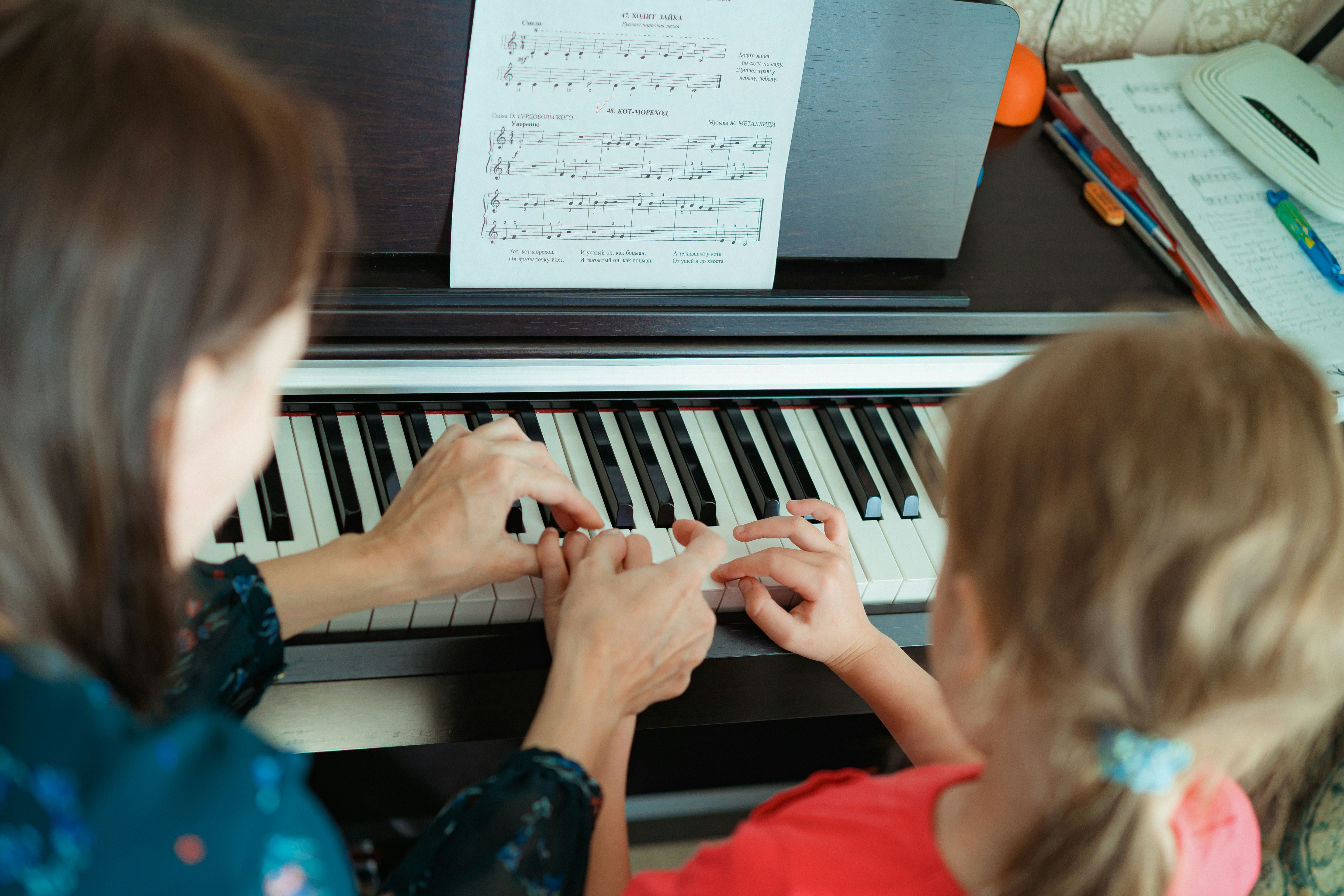
Why Piano Lessons Matter
Piano lessons play a significant role in the development of musical education and provide an array of benefits that extend far beyond simply learning to play an instrument. One of the most notable advantages of piano instruction is its capacity to enhance cognitive skills. Research has demonstrated that engaging in music education, particularly through playing the piano, can stimulate various areas of the brain responsible for reasoning, problem-solving, and spatial-temporal skills. This mental engagement not only aids in academic performance but also promotes critical thinking and creativity.
Moreover, piano lessons instill essential life skills, such as discipline and patience. Learning to play an instrument requires consistent practice and dedication, which teaches students the value of perseverance. The process of mastering a piece of music often means facing challenges, and overcoming these obstacles fosters resilience and a sense of achievement. These qualities can then be applied in other areas of life, influencing a student’s approach to both academic and personal endeavors.
Furthermore, introducing children to piano lessons from an early age is instrumental in cultivating a lifelong passion for music. Nurturing a love for music encourages exploration and self-expression, allowing students to develop their unique musical identities. As they gain proficiency on the piano, students often experience heightened emotional awareness and the ability to convey their feelings through music, which ultimately enriches their cultural and personal experiences.
In conclusion, the importance of piano lessons lies in their multifaceted contributions to cognitive development, the cultivation of essential life skills, and the promotion of a passion for music that can last a lifetime. By prioritizing these lessons, individuals not only open the door to musical potential but also reap myriad benefits that extend beyond music itself.
Group Lessons vs. Private Lessons: Which is Right for You?
When considering piano lessons, individuals often weigh the benefits and drawbacks of group lessons versus private lessons. Each format has its unique advantages, and the choice largely depends on the learner’s preferences and musical aspirations.
Group lessons typically involve multiple students learning together under the guidance of an instructor. One significant advantage of group lessons is the social interaction they foster. Students can benefit from observing their peers, participating in collaborative learning activities, and enjoying a supportive community. This environment often encourages motivation and accountability, leading to enhanced engagement in the learning process. However, a potential drawback is that individualized attention may be limited. In group settings, the instructor’s time is divided among multiple learners, which may hinder the pace at which some students progress.
On the other hand, private lessons provide a highly personalized experience. Students receive direct feedback and tailored instruction that aligns with their unique skills and learning styles. This one-on-one approach can significantly accelerate progress, as lessons can be customized to focus on areas where the student needs the most improvement. Moreover, private lessons allow for flexible scheduling, accommodating individual availability. However, some aspiring pianists may miss out on the camaraderie and teamwork that group lessons offer.
Ultimately, the decision between group and private piano lessons should reflect one’s learning style and musical goals. If social engagement and a collaborative environment appeal to you, group lessons might be the best fit. Conversely, if personalized attention and individualized learning plans are more conducive to your progress, private lessons may be the more appropriate choice. Considering these factors ensures that your musical education aligns with your aspirations, fostering a fulfilling learning experience.
Selecting the Right Teacher: Qualifications and Approaches
Choosing the right piano teacher is vital to fostering a child’s musical growth and enjoyment. A qualified instructor can significantly enhance the learning experience, while an unsuitable match may lead to disinterest or frustration. When evaluating potential teachers, several factors should be considered to ensure an enriching piano learning experience.
Firstly, the teacher’s qualifications are paramount. Look for individuals who have formal training in music education or piano performance. Credentials from reputable institutions or organizations often indicate a robust understanding of music theory and practice. Furthermore, practical experience as a performing musician can bring valuable insights to piano lessons, allowing instructors to share real-world applications of techniques and styles.
In addition to formal qualifications, the teaching methodology plays a crucial role in a student’s progress. Different teachers may adopt diverse teaching approaches ranging from traditional methods to more contemporary, interactive learning strategies. Some may emphasize classical techniques, while others might focus on popular music, improvisation, or composition. It is essential to determine which principles resonate with the student’s interests and learning style, as this can make a significant difference in both motivation and retention of information.
Compatibility between the teacher and student is another critical factor. The personality of the instructor should align with the student’s learning preferences, creating a comfortable and encouraging environment. During initial interactions or trial lessons, pay attention to the teacher’s mannerisms, patience, and ability to communicate effectively. A good rapport can cultivate a productive learning atmosphere that inspires confidence and creativity.
Lastly, consider sourcing recommendations within the community. Local music schools, community centers, and online platforms often provide insights into reputable teachers. Reading reviews from current or former students can also guide your decision, ensuring a well-informed choice when embarking on the journey of piano education.
Pricing and Class Duration: What to Expect
When considering piano lessons, understanding the pricing structures and class duration is crucial for effective budgeting and planning. Piano lesson costs can vary considerably based on factors such as location, instructor experience, and whether the lessons are private or group sessions. On average, private piano lessons can range from $30 to $100 per hour, while group lessons may cost significantly less, typically around $15 to $40 per student per session. These prices reflect not only the instructor’s expertise but also the tailored experience that private lessons offer.
Class duration is another essential aspect to consider in your piano education journey. For children and beginners, recommended class lengths are typically around 30 minutes. Shorter sessions help maintain engagement and concentration, essential components when developing foundational skills. As students progress and become more proficient, extending lesson durations to 45 or even 60 minutes is advisable. This adjustment allows for more complex concepts to be covered, enabling deeper learning and skill enhancement.
For adult learners and advanced students, 60-minute sessions are often preferred. This duration permits sufficient time to explore advanced techniques, theory, and repertoire, fostering a comprehensive understanding of musical principles. Furthermore, longer lessons can facilitate personalized instruction, as instructors can address specific questions or challenges faced by the student.
Overall, while budgeting for piano lessons, it is vital to account for these factors to set realistic expectations. Investing in quality instruction and appropriate class lengths contributes significantly to a student’s musical growth and success. By understanding the costs and recommended durations, students and parents alike can prepare effectively for what lies ahead in their musical education journey.